he match between Nagoya Gyoza vs. Okayama Green Pheasants was interrupted during a tense phase of play, forcing officials to halt the contest before a clear result could be established. The stoppage came as both sides were pressing for control, with Nagoya Gyoza attempting to build through the middle and Okayama Green Pheasants responding with quick counterattacks. Players moved toward the touchline as match officials assessed the situation, while spectators waited in an uneasy silence. What had been a competitive fixture suddenly became a question of safety, procedure。and whether the game could resume under acceptable conditions.Early exchanges had suggested a close contest rather than a one-sided performance. Nagoya Gyoza looked more composed when circulating possession, using short passes to draw the opposing defense forward. Okayama Green Pheasants appeared comfortable without the ball。
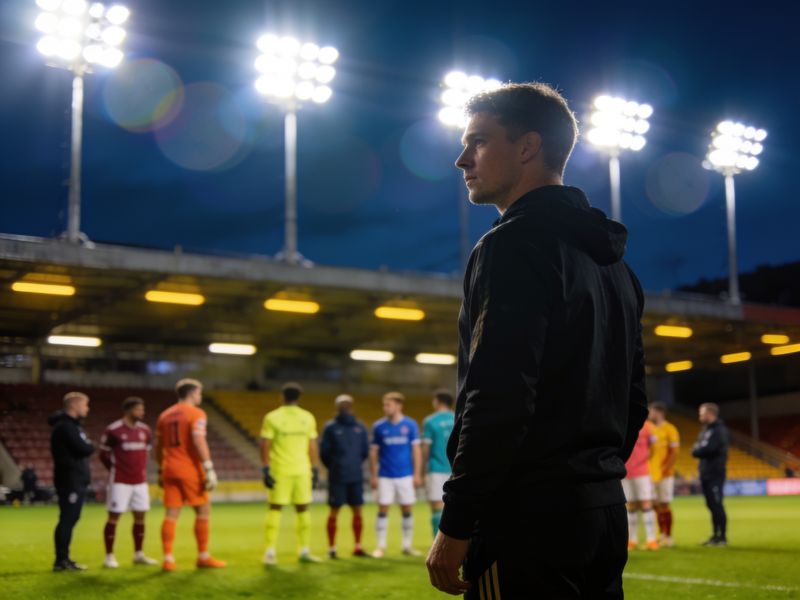
staying compact and looking for space behind the fullbacks. Several challenges had already produced loud reactions from the crowd, but nothing appeared to threaten the flow of the game until the interruption occurred. The exact trigger was not immediately clear from the stands, and no definitive explanation was delivered while the players remained near their benches. That uncertainty added to the tension, particularly for supporters who had traveled expecting a full ninety minutes.When the match between Nagoya Gyoza vs. Okayama Green Pheasants was interrupted, the response from both teams was notably restrained. Rather than surrounding the officials, most players exchanged brief comments before moving away from the playing area. Coaches used the pause to speak with their squads, review tactical adjustments, and check on players who had taken heavy contact earlier in the contest. A few Nagoya supporters continued singing。although the chants gradually faded as the delay extended. On the opposite side, Okayama fans held up scarves and called for calm. Those small details mattered: the atmosphere was tense, but it did not develop into a broader confrontation inside the venue.The stoppage also raised practical questions about the fixture’s status. A resumed match would require officials to determine that the field, surrounding area, and players were all ready for play. If the delay became too long, the competition organizers could face decisions involving remaining match time, ticket arrangements, travel plans, and possible disciplinary review. Neither club appeared eager to speculate publicly。and that restraint was sensible. Statements issued before the facts are confirmed often create a second problem after the original incident. For Nagoya Gyoza, the interruption came at an awkward moment because the team had begun to find rhythm. Okayama Green Pheasants, meanwhile, had been defending patiently and may have welcomed the chance to break the home side’s momentum, even if no player would say so openly.The match between Nagoya Gyoza vs. Okayama Green Pheasants was interrupted, but the larger story is how quickly a normal sporting contest can become dependent on decisions beyond tactics and finishing. Supporters judge these moments through what they can see: players waiting, officials conferring, and the scoreboard refusing to move. The final outcome will depend on the official report and any ruling from the competition authorities. Until then, the fixture remains unfinished in practical terms and unresolved in sporting terms. The interruption may eventually be remembered as a brief delay, or it could shape the schedule and reputation of both teams for weeks. For now, the most responsible account is a simple one: play stopped, the circumstances required review。and no result should be treated as final until the organizers confirm what happens next.